
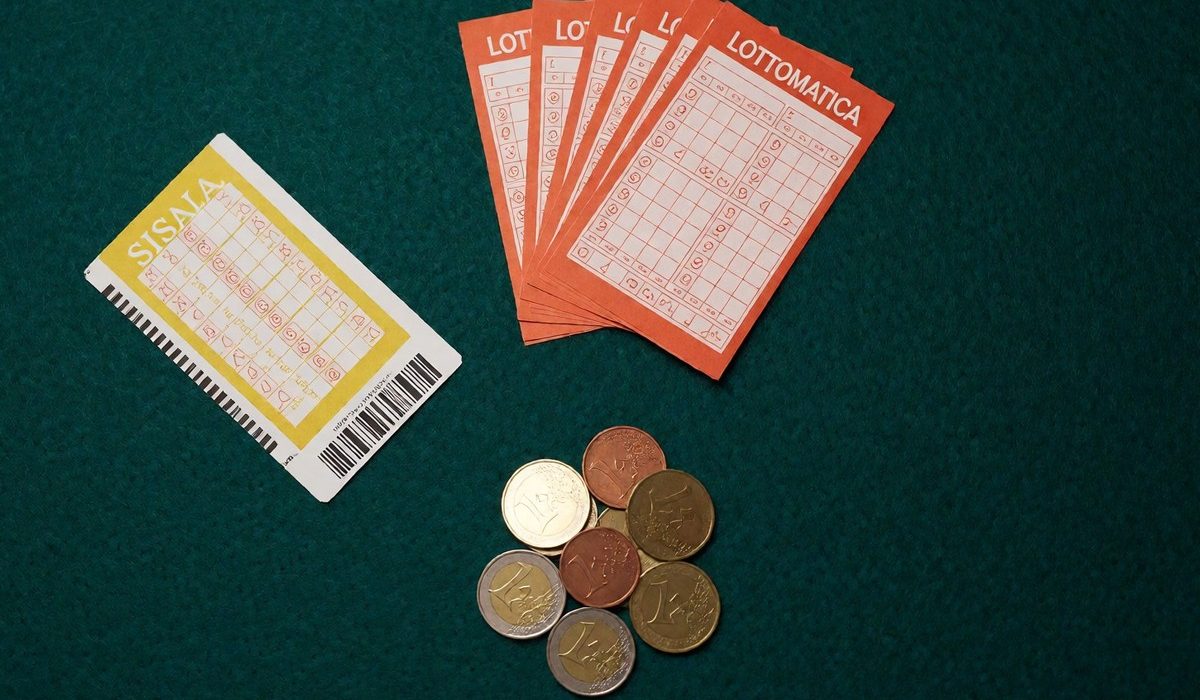
Flutter and Lottomatica compete for a new nine-year national lottery license in Italy as the government prepares a bidding process with a €1 billion minimum tender. The Italian gambling market remains a massive economic driver, with total wagers exceeding €136 billion in 2022.
The National Lottery Tender
The Italian government prepares a bidding process for a new nine-year national lottery licence after the current contract expires in 12 months. The current national lottery contract, which International Game Technology holds through its Lotterie Nazionali and Lotto Italia subsidiaries, expires in 12 months, forcing the government to launch a new bidding process. Flutter Entertainment CEO Peter Jackson wants to bid for the licence to direct customers to online gambling offerings through scannable links on the backs of lottery tickets. This strategy bypasses the current ban on the advertising of online gambling. The minimum tender for the new licence is €1 billion, and the government will accept this in instalments.
The competition for this licence involves major players who control significant portions of the Italian market. Flutter already owns Sisal, which operates the rival SuperEnalotto, and it has expanded its reach through the acquisition of Snaitech. Lottomatica, which previously operated the national lottery, remains a central figure in the bidding landscape. The Italian market provides a lucrative target because the total amount wagered in the gambling market reached over €136 billion in 2022. This growth includes a massive online segment that saw total wagers exceed €73 billion in the same year.
Flutter’s Strategic Consolidation
Flutter controls approximately 20 per cent of the Italian market through its ownership of Sisal and Snaitech. The company completed the €1.9 billion acquisition of the Milan-based Sisal in 2022. Sisal employs 2,500 staff and reported revenue of €477.7 million in the first half of 2022, which was a 58 per cent increase from the previous year. In the 12 months ending December 2021, Sisal generated an EBITDA of €248 million. The company has grown its online presence through its proprietary platform and a commitment to innovation. Sisal launched a new national numbers lottery called Win for Italia Team on September 28, 2026, in collaboration with the Italian National Olympic Committee. This game costs €2 per combination and allocates 26.5 per cent of all wagers to CONI to support Italian athletes.
Flutter also discussed the acquisition of Playtech’s Italian business, Snaitech, for roughly €2.3 billion. Snaitech reached a revenue of €946.6 million in fiscal year 2023, a 5.2 per cent increase from 2022. You should recognize that Flutter’s scale in the region remains significant. The company uses these large acquisitions to build leadership positions in regulated markets. Flutter also operates the Betfair Exchange under an Italian domain. Will the crackdown on skin websites effectively reduce the black market?
Lottomatica and the Market Split
Lottomatica reports a split in performance between its online and retail segments. Gross gaming revenue for the company reached €1.24 billion in the first quarter, while total revenue reached €602 million. Online gaming revenue increased by 10 per cent, but sports betting revenue fell by 5 per cent. The company holds close to a third of the Italian online gambling market. Lottomatica also manages the rebranded PWO business, which regains ground in sports betting after the company lost market share during the 2024 SKS365 integration. The company’s net profit reached €106 million, while EBITDA rose to €236 million.
The Italian sports betting market is heavily driven by soccer, with bettors wagering approximately €13 billion on soccer matches in 2022. Lottomatica held the highest share of the online sports betting market in Italy in December 2023, ahead of Sisal, Snai, and Bet365. The advertising ban on sports sponsorships makes it nearly impossible for new brands to establish themselves in the Italian market. The market is also seeing a transition toward mobile platforms, as 2.6 million monthly mobile bettors were recorded in 2023.
Regulatory Costs and Market Specs
The Italian regulatory environment is managed by the Agenzia delle Dogane e dei Monopoli. The government introduced a new nine-year licensing regime in 2024 to increase oversight and tax revenue. This regime reduces market fragmentation by limiting the number of online gaming websites to 52. This change follows a crackdown on "skin" websites, which the ADM banned starting 13 November. The new framework includes 50 new licenses that companies must purchase.
| Licensing and Tax Metric | Value/Condition |
|---|---|
| Total Online Licenses Available | 50 |
| License Fee | €7 million per license |
| Annual GGR Fee | 3% of GGR (net of taxes) |
| Responsible Gaming Contribution | 0.2% of GGR |
| National Lottery Minimum Bid | €1 billion |
The advertising ban on sports sponsorships continues to divide opinion among operators. The government also requires bettors to set self-imposed limits on betting accounts and deposit amounts. These rules aim to increase safety standards for players. The Italian gambling market is a massive economic driver, with tax revenues exceeding €11 billion annually. The industry supports approximately 150,000 workers across the country. While the regulated market remains strong, a black market estimated at €25 billion annually persists. The upcoming lottery tender is the most significant shift in the Italian market in decades.