
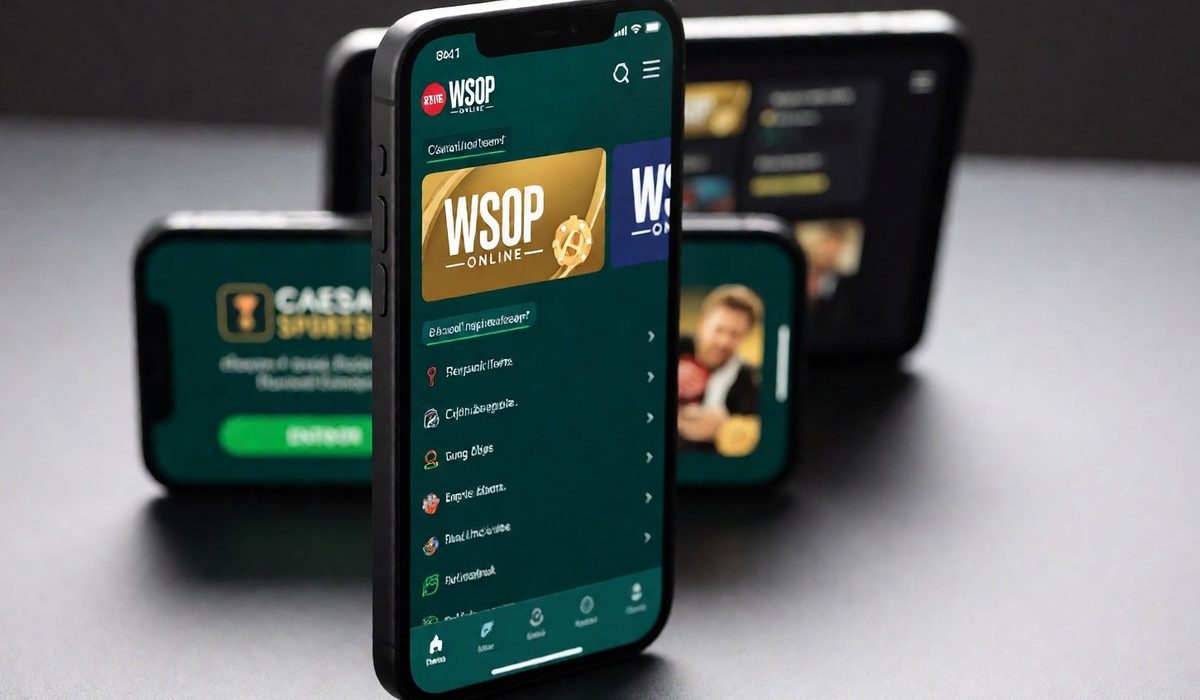
Caesars Digital faces significant strategic shifts as it transitions to a third-party platform for WSOP Online in 2026. The migration relies on MSIGA shared liquidity between New Jersey, Nevada, and Michigan while navigating complex brand separation from NSUS Group.
The platform overhaul
Caesars Digital is rebranding WSOP.com to WSOP Online to reflect a total overhaul of the user experience. The software agreement with 888, which powered the real money platform from its 2013 launch, renewed in 2021 but expires in 2026. I see this transition as a massive undertaking. The position covers the new product from development through launch; this includes the player journey, the poker lobby, game selection, the cashier, and various responsible gambling features for the new platform. This role is essential. Caesars intends to use a third-party poker platform rather than developing the underlying technology itself. The new product includes a standalone application for iOS, Android, and web, alongside poker features integrated into Caesars’ existing Sportsbook and iCasino products. The successful candidate must integrate that third-party platform with existing iGaming systems and player account management infrastructure. Caesars also intends to add poker entry points within its sportsbook and online casino. This allows players to access poker from across the company’s digital offerings. I find the decision to use a third-party provider instead of in-house technology to be a significant shift in strategy.
The multi-state player pool
The Michigan Gaming Control Board approved the multi-state platform for Caesars. This allows WSOP Online to link player pools in New Jersey, Nevada, and Michigan. I find the shared liquidity from these three jurisdictions to be the strongest part of the move. This connectivity relies on the Multi-State Internet Gaming Agreement, or MSIGA. Nevada and Delaware formed the MSIGA on February 25, 2014. New Jersey joined in October 2017, while Michigan joined in May 2022. West Virginia joined in 2023, but its players waited until 2025 for BetRivers Poker to launch. Pennsylvania joined the MSIGA in April 2025. You already know that state borders usually limit gambling, but the MSIGA bypasses these issues by combining players into a single pool. The agreement’s legality faced challenges from the Department of Justice and the Wire Act, a 1960s law. However, a 2021 court ruling in favor of the New Hampshire Lottery and a 2022 verdict favoring IGT cleared the way for states to join the agreement. Rhode Island passed an online poker bill in 2024, but it has not yet signed the MSIGA. Connecticut regulates online poker, but it requires a new bill to join the MSIGA. Maine passed legislation, but the MSIGA provisions for that state remain unclear.
The technology provider
I think the selection of a technology provider is the highest risk in this migration. GGPoker is an unlikely choice for Caesars because the company withdrew its application for a Pennsylvania manufacturing igaming license in 2024. Playtech is another unlikely candidate because it provides the software behind PokerStars on FanDuel in the US and Ontario. This makes Playtech a direct competitor for Caesars in the regulated US market. PokerLab is a more compelling possibility. This Vancouver-based company, founded in 2023, develops a poker-as-a-service platform for regulated operators. Its leadership includes co-founder Scott Wilson, who worked at Caesars Interactive, and Vice President of Product Warren Dombowsky. PokerLab also manages the operations of the Canada Poker Network. While the Presto Poker app provides a glimpse of its capabilities, the platform for WSOP Online will look different. Which third-party provider will ultimately secure the contract with Caesars? I find the warning that Caesars does not guarantee the same username for all players to be a significant problem for loyal players.
Financials and brand separation
Caesars holds the rights to operate WSOP Online in the regulated US market. It sold the WSOP brand and related rights to NSUS Group for $500 million in 2024. NSUS Group is the parent company of GGPoker and owns the WSOP live series. This separation between the live and digital brands creates a complex competitive environment. I see the financial stability of the company through its revenue figures. In 2026, the trailing twelve month revenue reached ₹1.069 T, a 3.68% increase from the ₹1.031 T reported in 2025. This follows a 6.89% increase from the 2024 revenue of ₹964.67 B. In 2021, the company saw a 175.13% revenue increase. I will list the buy-ins and guarantees for the recent WSOP Circuit events in Las Vegas.
| Event | Buy-in | Guaranteed Prize Pool |
|---|---|---|
| Event #1: No-Limit Hold’em | $400 | $100,000 |
| Event #2: Mini Main Event | $400 | $600,000 |
| Event #6: Monster Stack | $400 | $400,000 |
| Event #9: Main Event | $1,700 | $1,000,000 |
| Event #17: High Roller | $2,200 | $100,000 |