
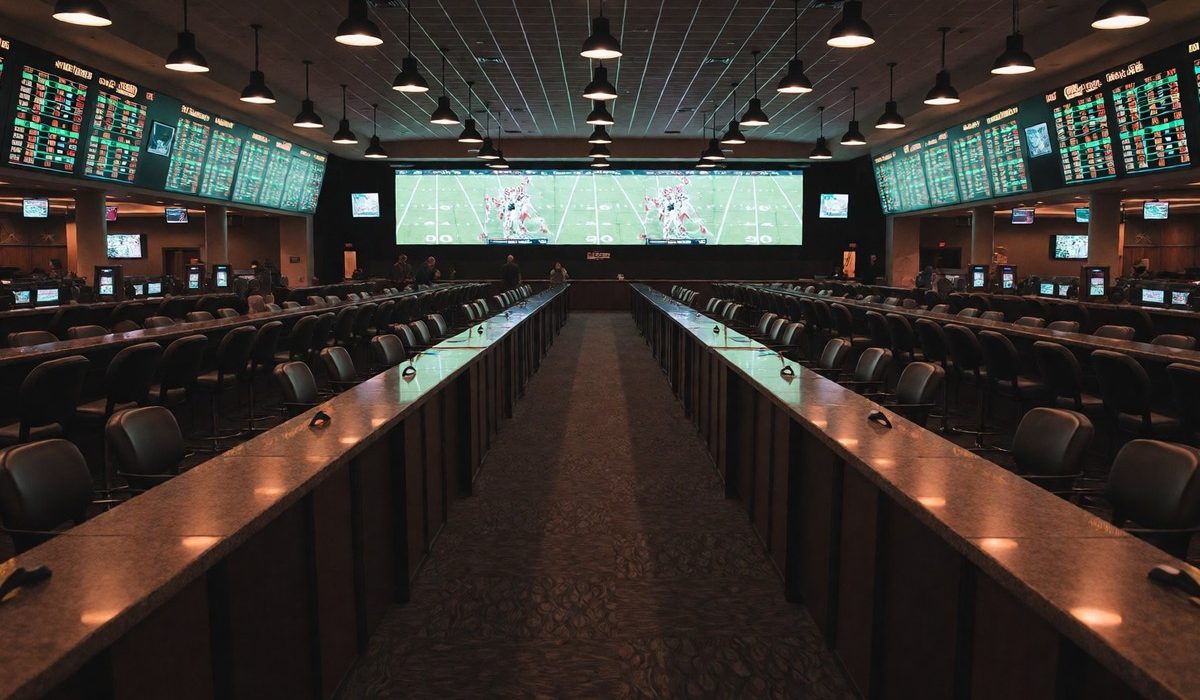
Penn Entertainment faces significant hurdles with its ESPN Bet relaunch, including a $109.8 million interactive division loss and technical streaming lags that could impact bettors during the college football season.
Financial instability and market share struggles
Penn Entertainment holds only 1% to 2% of the market revenue in New York, Illinois, and New Jersey. This small share falls far from the 20% market share that Penn and ESPN want to reach by 2027. Because the contract includes a clause allowing Penn to opt out in 2026, the $2 billion partnership faces instability. Jay Snowden, Penn President and CEO, said the company is not on pace to compete for a seat at the podium. HG Vora Capital, an activist investor, wants three board seats because of the company’s "reckless spending" on media partnerships. The company posted an adjusted fourth-quarter loss of $109.8 million from its interactive division. This loss follows the $551 million expenditure to buy Barstool Sports, which Penn later sold back to founder Dave Portnoy for $1. The original deal requires Penn to pay $1.5 billion to license the ESPN brand for 10 years, and Penn also provided ESPN with $500,000 in stock options to secure the partnership. While Penn’s revenue reached $1.67 billion, its net losses reached $133.8 million. The company’s EPS has declined over the last five years. Management struggles to find good investment opportunities despite the company’s low ROIC. The company’s interactive strategy focuses on its 43 physical casino assets and a loyalty membership base of over 30 million.
| Metric | Value |
|---|---|
| Target market share by 2027 | 20% |
| Current market share in major states | 1% to 2% |
| Bonus abuse share of iGaming fraud | 63.8% |
| Penn interactive division Q4 loss | $109.8 million |
| Barstool purchase price | $551 million |
Promotional spending and fraud risks
Penn Entertainment skips the heavy promotional spending this football season to prioritize financial discipline. Wall Street analysts back this restraint, though the decision could alienate bettors. When operators provide bonuses to attract customers, bonus abuse accounts for 63.8% of all fraud in the iGaming sector. Fraudsters use "multi-accounting" to create several accounts to claim welcome bonuses multiple times. They also use "sniper bots" to place last-minute bets or engage in "arbitrage betting" to exploit discrepancies in odds. Some users engage in "bonus bagging" to use free bet offers to secure guaranteed profits. They also use "chip dumping" to lose intentionally to other accounts to meet requirements. You should check the terms of any offer before you commit your money. In the UK, a fraudster named Jon Howard received five years in prison for his role in a scheme that cost a bookmaker over £236,000. Howard used more than 1,000 accounts to evade deposit limits. Operators provide sign-up bonuses, deposit matches, no-deposit bonuses, and cashback. Fraudsters also use "bonus hunting" to search for lucrative offers or "synthetic identity fraud" to bypass KYC checks with fake data.
Technical lag and broadcast changes
The ESPN app causes streaming users to fall up to three minutes behind live action, which disrupts bettors who need real-time information. ESPN also removes the "BottomLine" ticker from regular-season college football broadcasts for the 2026 season to create a cleaner presentation for viewers. The 2026 season begins with North Carolina against TCU in Dublin on August 29. On September 3, Colorado faces Georgia Tech, followed by Miami against Stanford on September 4. On September 12, Ohio State plays Texas. On September 25, Clemson faces California. On October 31, Notre Dame plays Navy. On November 26, No. 23 TCU faces No. 8 Texas Tech. On November 27, the Egg Bowl includes Mississippi State and No. 9 Ole Miss, but will the removal of score tickers alienate fans who rely on quick updates during games? The schedule includes Liberty against Coastal Carolina on September 24. On October 2, Pittsburgh plays Virginia Tech. On October 23, Duke faces Virginia and NC State travels to Stanford.