
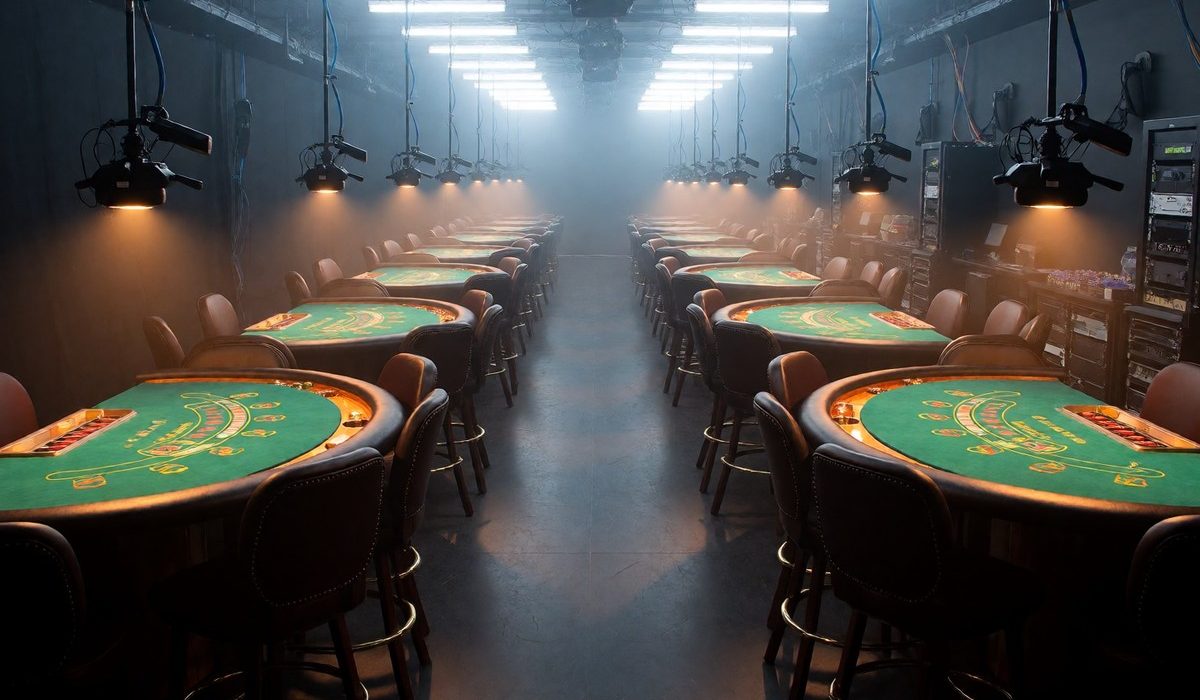
Evolution's US live casino network expanded to seven studios, driven by Q2 2025 revenue of EUR 453.7 million. The company faces capacity constraints and rising hiring costs, with Michigan headcount near 1,000, while maintaining a 65.9 percent EBITDA margin.
Evolution’s entry into the US live casino market began with a single studio in New Jersey, which opened as its tenth production facility worldwide. That initial site launched with ten online tables and immediately secured five major operators, including 888 Casino and Resorts Casino Hotel. The company had waited for the right regulatory window, having obtained preliminary waiver approval in 2013. By 2026, that cautious start has evolved into a seven-studio network spanning multiple states, creating a dense infrastructure for B2B live gaming.
Capacity Constraints and Regional Growth
The financial engine behind this expansion is clear: live casino games generated EUR 453.7 million in revenue during the second quarter of 2025, accounting for the vast majority of the company’s total net revenues of EUR 524.3 million. This segment continues to drive growth, with North America posting a year-on-year increase of 9.5 percent in the most recent reporting period. However, the demand outstrips supply. Management admitted that they see higher demand for live casino content than they can currently deliver, forcing them to expand studio space and accelerate recruitment simultaneously.
This capacity gap creates a strategic risk. If Evolution fails to meet operator demand, competitors like Playtech can capture market share. Playtech grew its live casino revenues from EUR 62 million to EUR 143 million between 2019 and 2022, a compound annual growth rate of 32 percent. While Evolution’s growth rate was higher at 48 percent over the same period, the competitor now operates more than 10 live studios compared to Evolution’s roughly 20 globally. The pressure to build new facilities is compounded by the fact that setting up a single studio takes 12 to 18 months.
| Metric | Q2 2025 Value | Q2 2024 Value | Change |
|---|---|---|---|
| Net Revenues | EUR 524.3m | EUR 508.4m | +3.1% |
| EBITDA Margin | 65.9% | 68.0% | -2.1 pts |
| Live Casino Revenue | EUR 453.7m | N/A | N/A |
| RNG Revenue | EUR 70.6m | N/A | N/A |
Hiring and Operational Costs
Expansion requires significant human capital. Evolution employs nearly 1,000 people in Michigan alone, with the Southfield studio serving as the primary hub. The company plans to open a second studio in Grand Rapids, which will further increase headcount. On average, the firm hires 80 to 100 new employees in Michigan every month. This rapid hiring pace is essential because new studios cannot generate revenue without staffed tables.
Recruitment speed has lagged behind construction timelines. In the first nine months of 2023, Evolution added 1,746 full-time equivalent employees, an annualized figure of 2,328. This falls short of the 2,799 hires recorded in 2021 and 2,885 in 2022. The decline in hiring velocity coincides with a drop in the company’s Glassdoor rating from 3.5 to 3.3, raising questions about workplace satisfaction. You might assume that high wages solve this, but the data suggests otherwise. US wages are higher than European counterparts, and the average number of US employees grew from 7.4 percent to 11.9 percent of the total workforce between 2021 and 2022. This shift pushed overall cost per employee up by 12.9 percent in 2022, partly due to currency appreciation of the USD against the EUR and the Georgian Lari.
Financial Performance and Strategic Focus
Despite operational challenges, Evolution maintains strong profitability. EBITDA reached EUR 345.3 million in the second quarter of 2025, with a margin of 65.9 percent. Profit for the period declined 7.7 percent year-on-year to EUR 248.3 million, reflecting increased operating expenses driven by personnel expansion and new studio launches. Operating expenses rose to EUR 217.9 million from EUR 197.3 million the previous year. The company invested EUR 33 million in the quarter, allocating EUR 14.4 million specifically to physical infrastructure such as gaming tables and studio space.
The business model relies on commission fees, typically ranging from 10 to 20 percent of gross revenue generated by operators. Dedicated table fees also contribute to income, charging operators monthly for exclusive access to branded environments. Caesars Entertainment exemplifies this approach with its Philadelphia-based studio, which features custom felts and a VIP-exclusive blackjack table. This level of customization requires dedicated resources but locks in long-term partnerships.
However, the broader financial picture shows strain. Cash flow from operating activities declined to EUR 225.3 million, down from EUR 312.8 million a year earlier. Financing outflows reached EUR 641.0 million, including EUR 572.5 million in shareholder dividends. The company holds EUR 505.3 million in cash and cash equivalents. With zero debt aside from lease liabilities of EUR 80.1 million, Evolution has the balance sheet strength to continue expanding. Yet, the question remains whether the current pace of studio construction can keep up with the accelerating demand in regulated US markets before competitors close the gap.